Photographic Impressionism: Reconstructing Reality
A single photograph captures one viewpoint and one moment. Photographic impressionism moves beyond that limitation by combining many photographs into a new visual experience—one that expresses not only how a subject appears, but how it is gradually perceived.
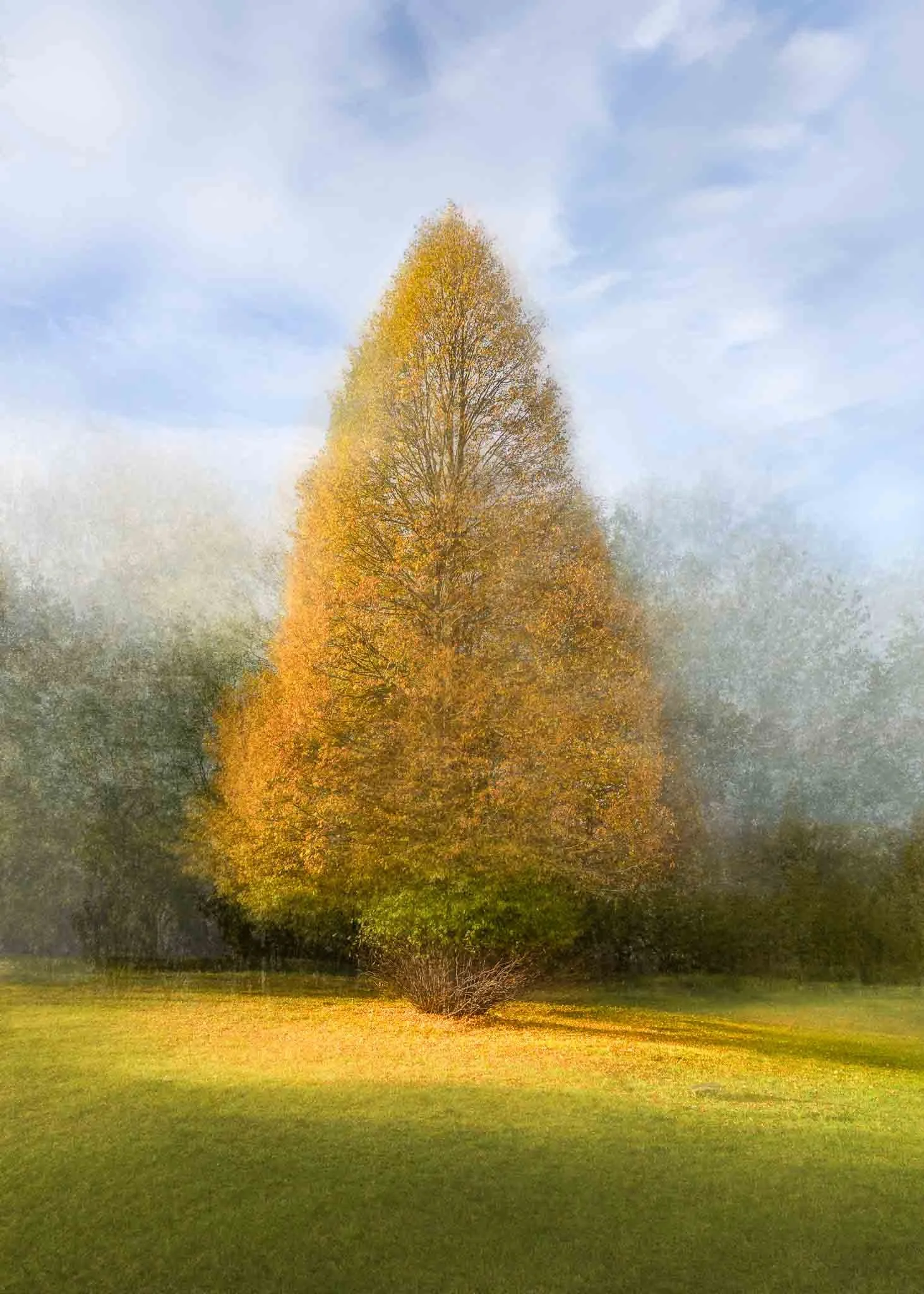
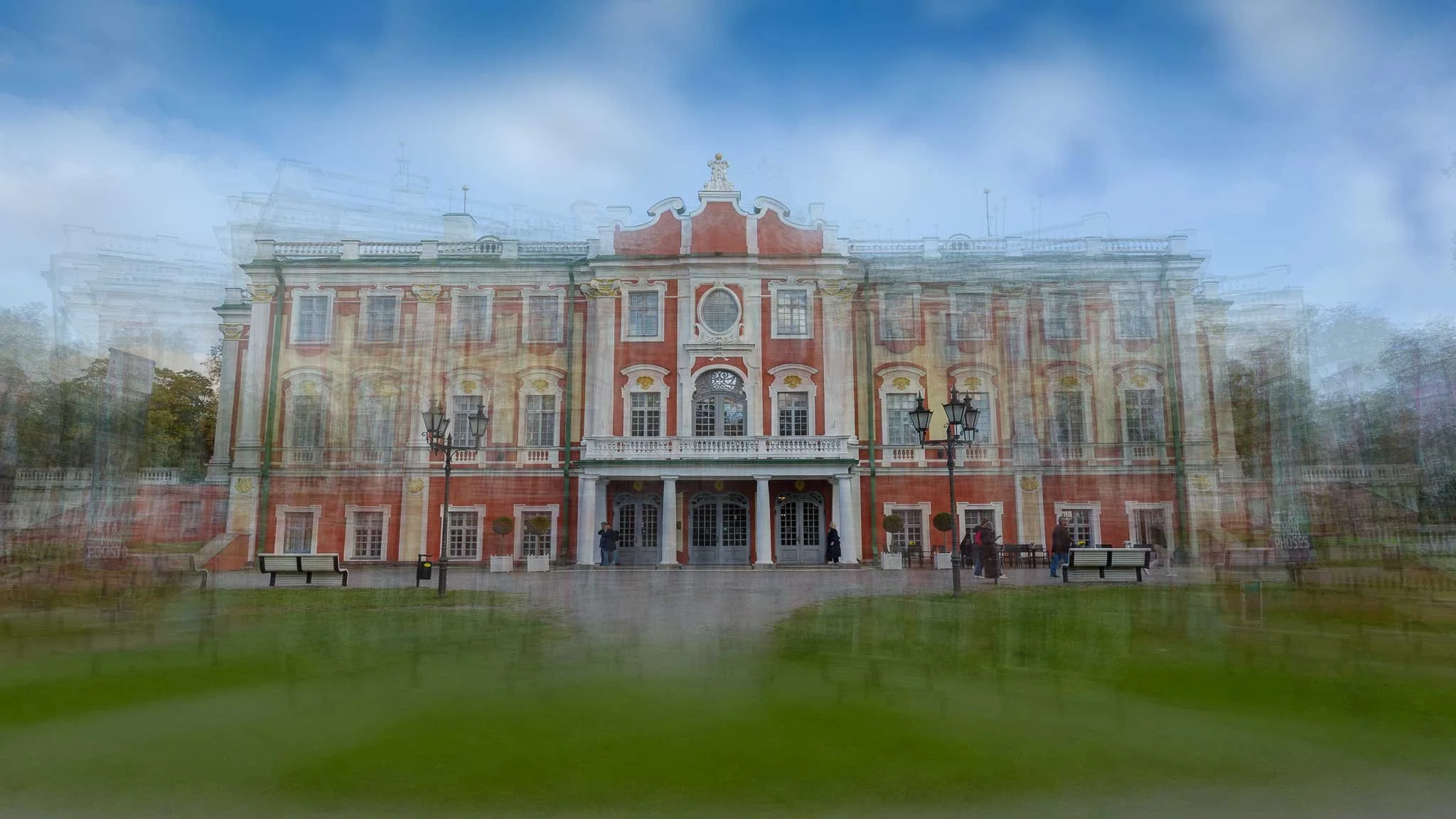
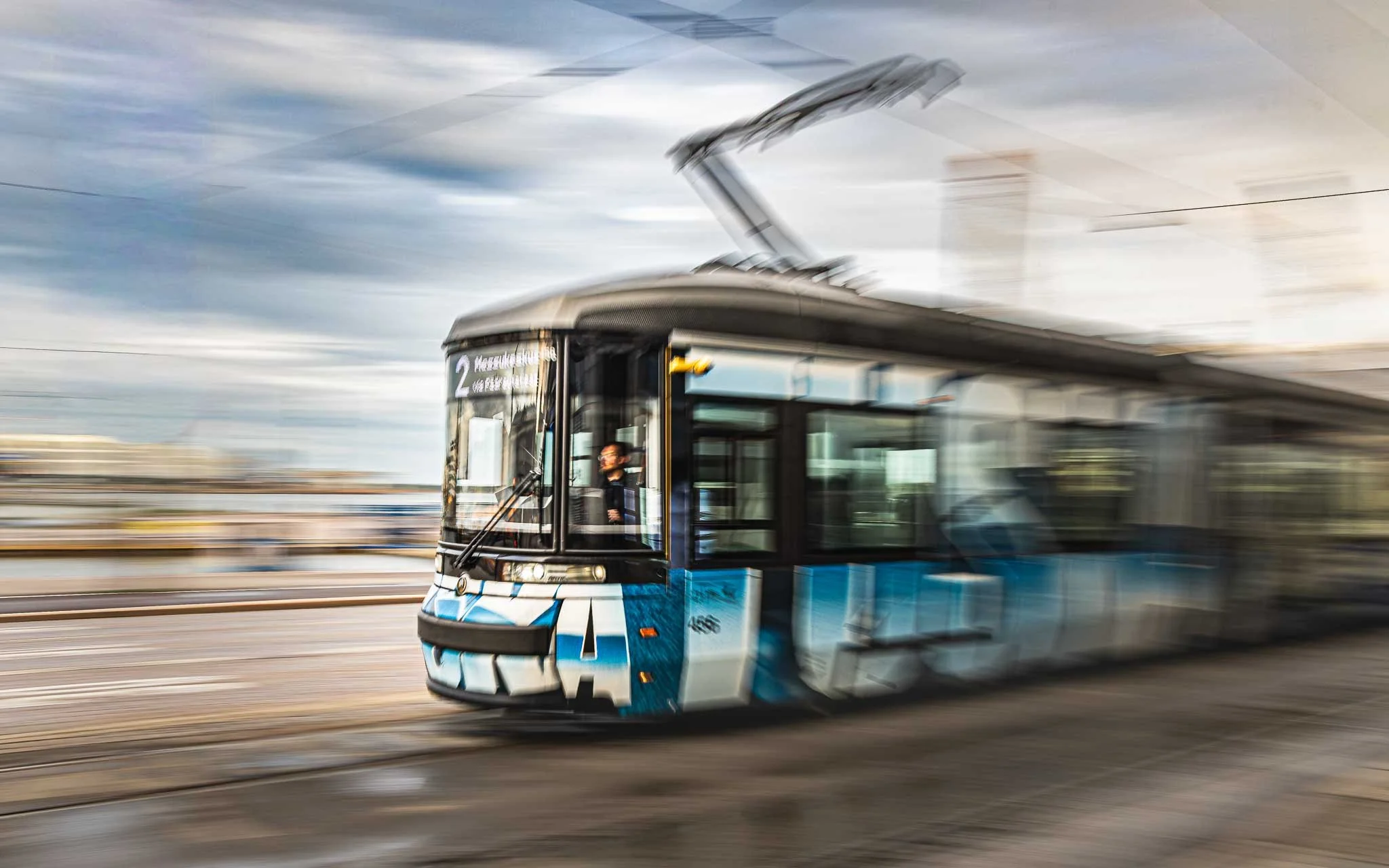
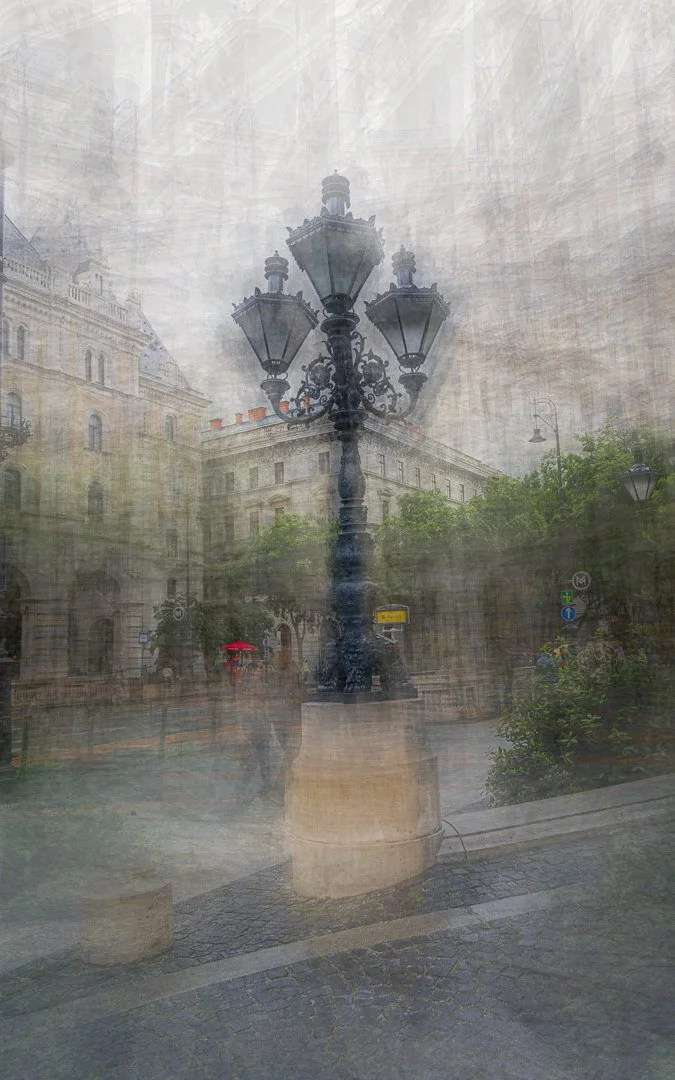
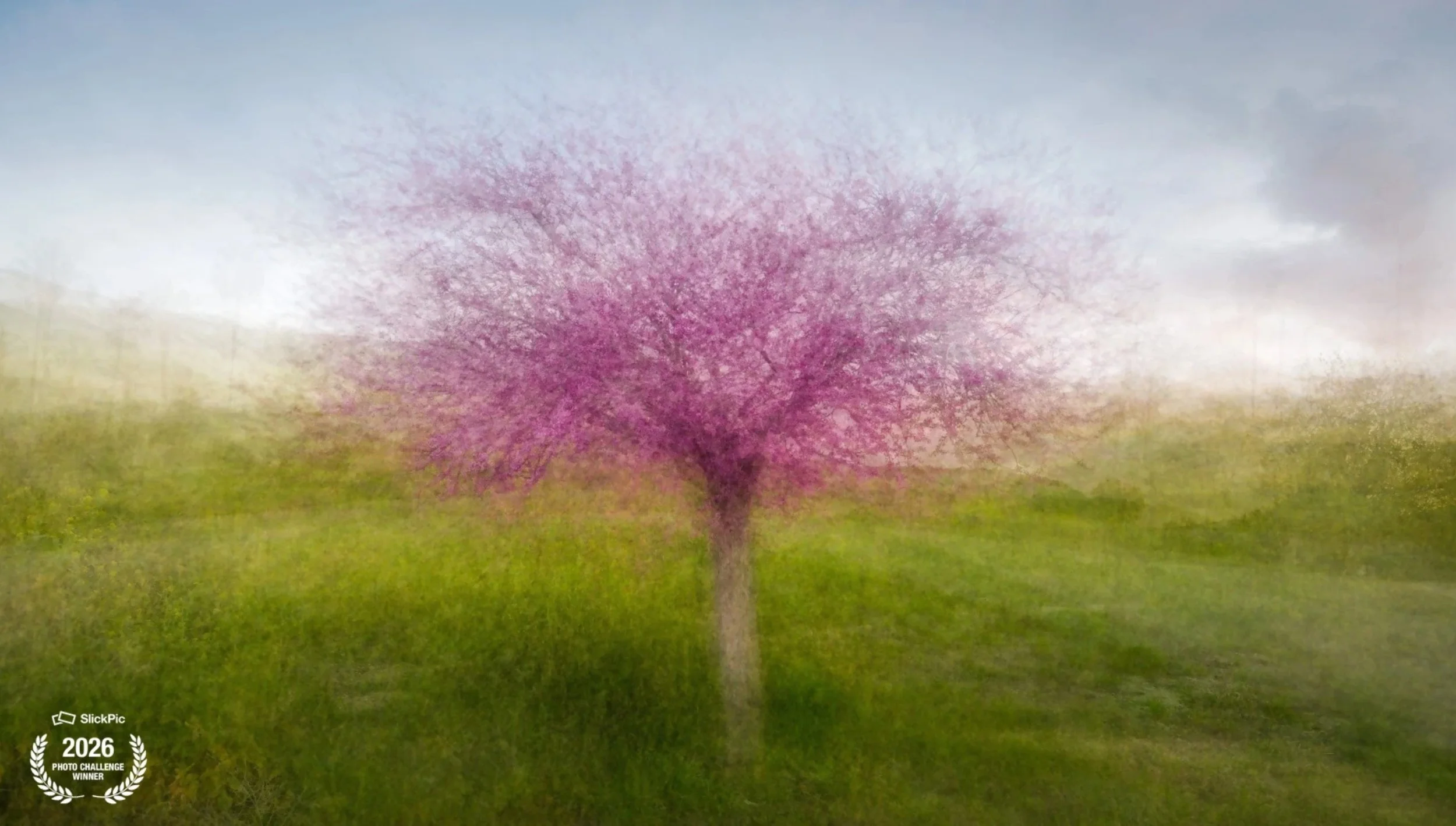
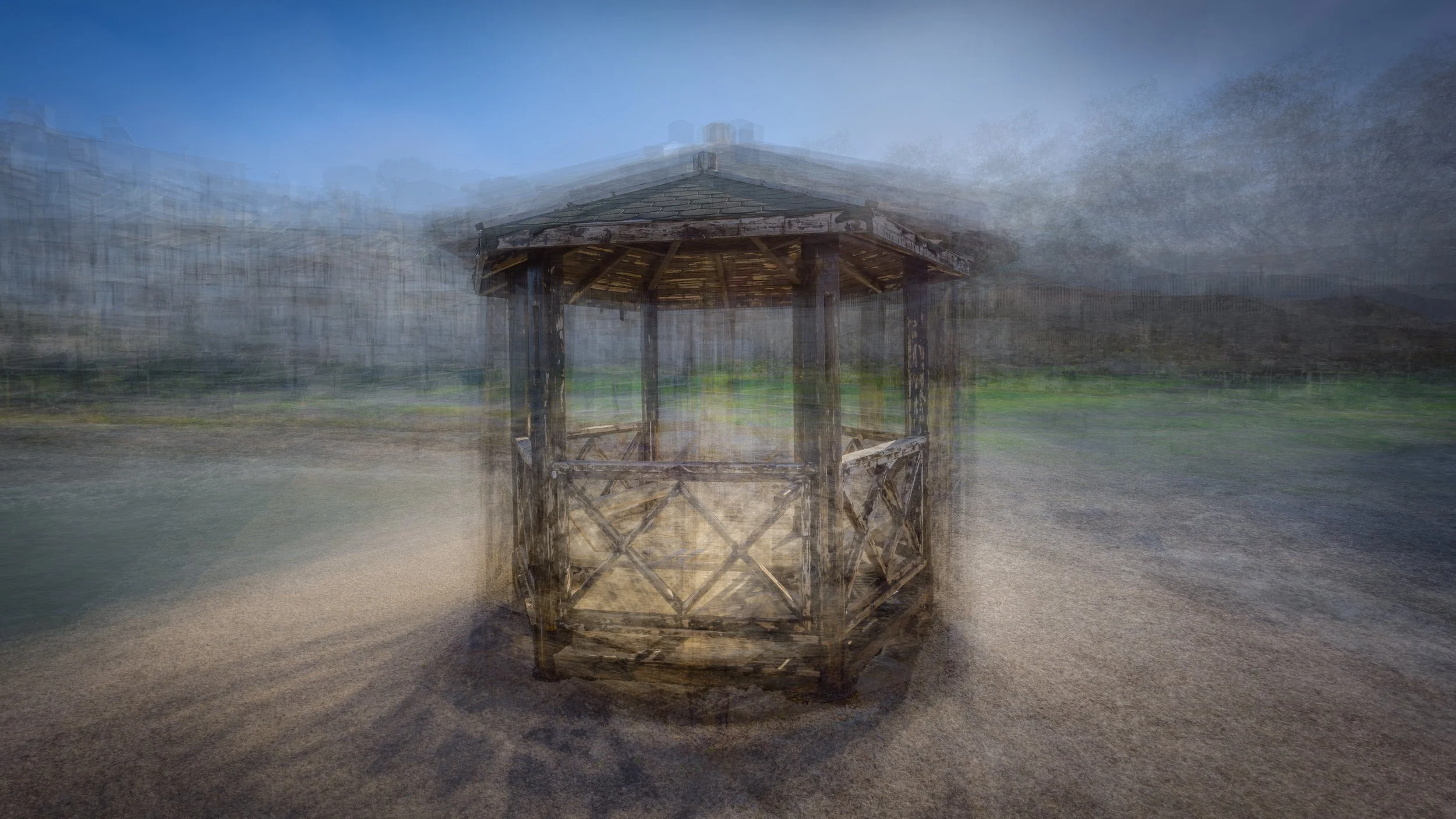
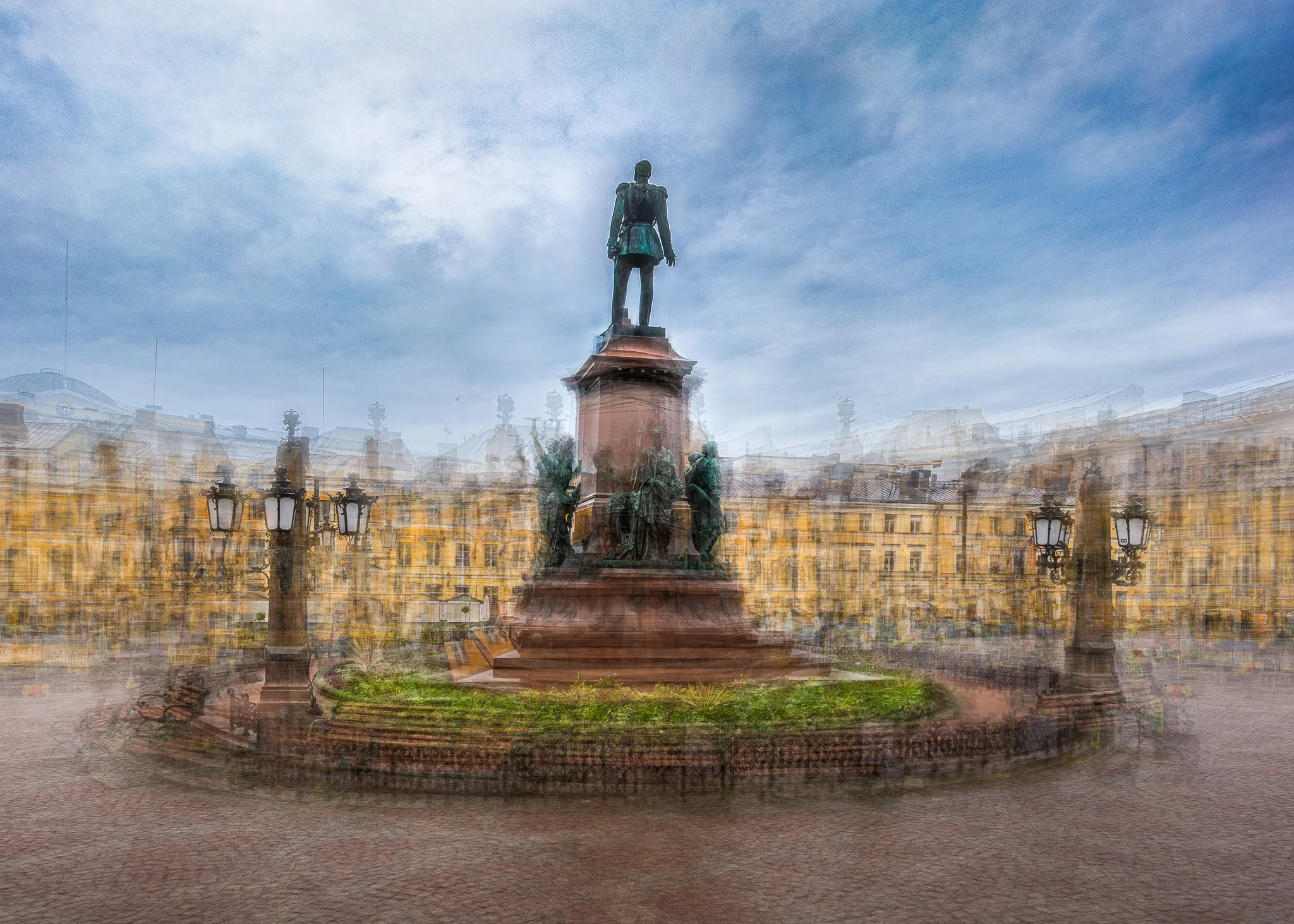
The works in this collection are created by photographing the same subject repeatedly from changing positions and perspectives. These individual frames are then layered and blended into a single composition. Recognizable subjects remain at the center, while their surroundings dissolve into movement, repetition and painterly textures.
Trees, sculptures, monuments and architectural structures are especially suited to this approach. Their central forms provide a visual anchor, while subtle changes in viewpoint create rhythm, depth and a sense of transformation. Elements that remain consistent become stronger, while those that change between frames appear softer, more abstract or almost transparent.
Created through the layering of multiple photographs and inspired by Pep Ventosa’s approach, these works transform familiar subjects into painterly impressions shaped by movement, repetition and shifting perspectives. Each finished image is also influenced by the subject, the path taken around it, the number of photographs used and the way the layers interact. The result cannot be seen in any individual frame; it emerges only when multiple viewpoints are brought together.
These works occupy the space between photography and painting, reality and memory. Rather than documenting one precise moment, they reconstruct the experience of observing a place over time.
Photographic impressionism allows familiar subjects to become less literal and more expressive, bringing together many fragments of time and perspective within a single image.
Curious how these images are created?
See the process behind the work in From Scene to Photographic Impression.