Discover the Creativity of Pep Ventosa Inspired Series
Inspired by Pep Ventosa – Multiple Exposures as Visual Memory
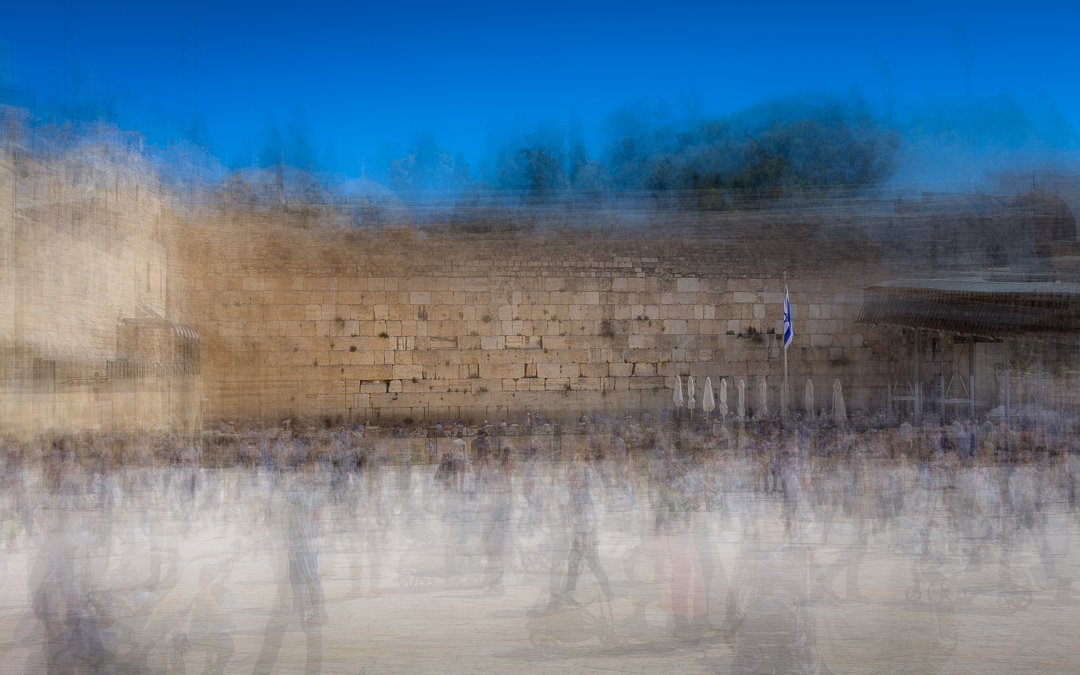
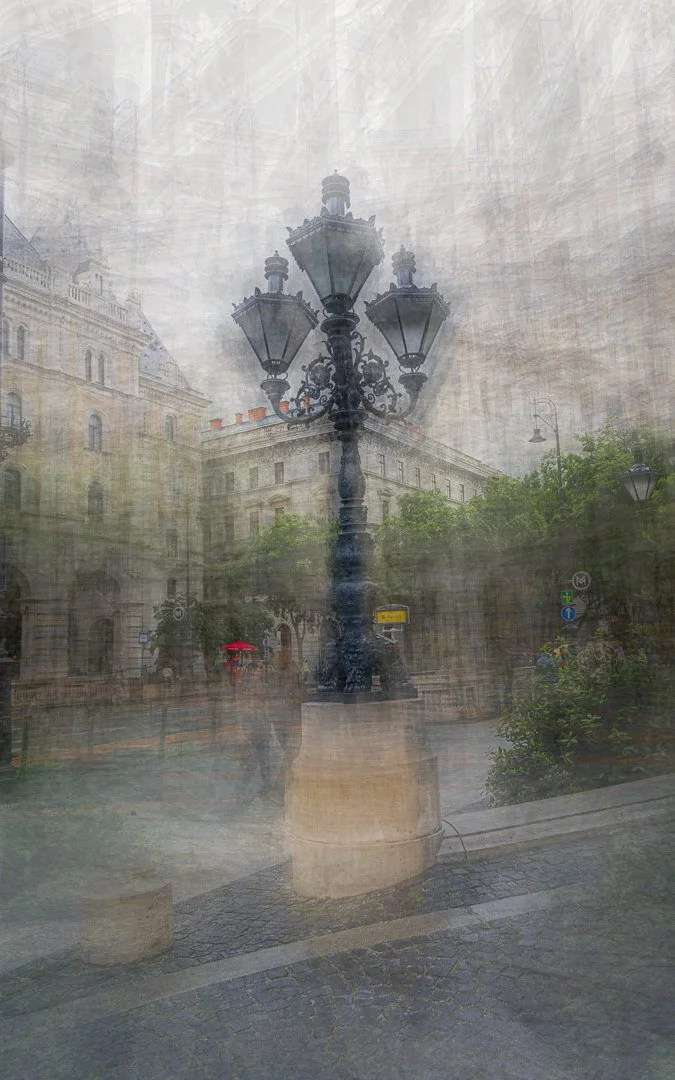
This series is inspired by the work and philosophy of Pep Ventosa, a contemporary Spanish photographer known for his unique multiple-exposure technique. Ventosa photographs the same subject dozens — sometimes hundreds — of times from slightly different angles and distances, later blending the frames into a single layered composition. The result is not a literal representation of reality, but a visual memory of it — a synthesis of perception, time, and movement.
-
In my interpretation of this approach, I explore the tension between structure and dissolution.
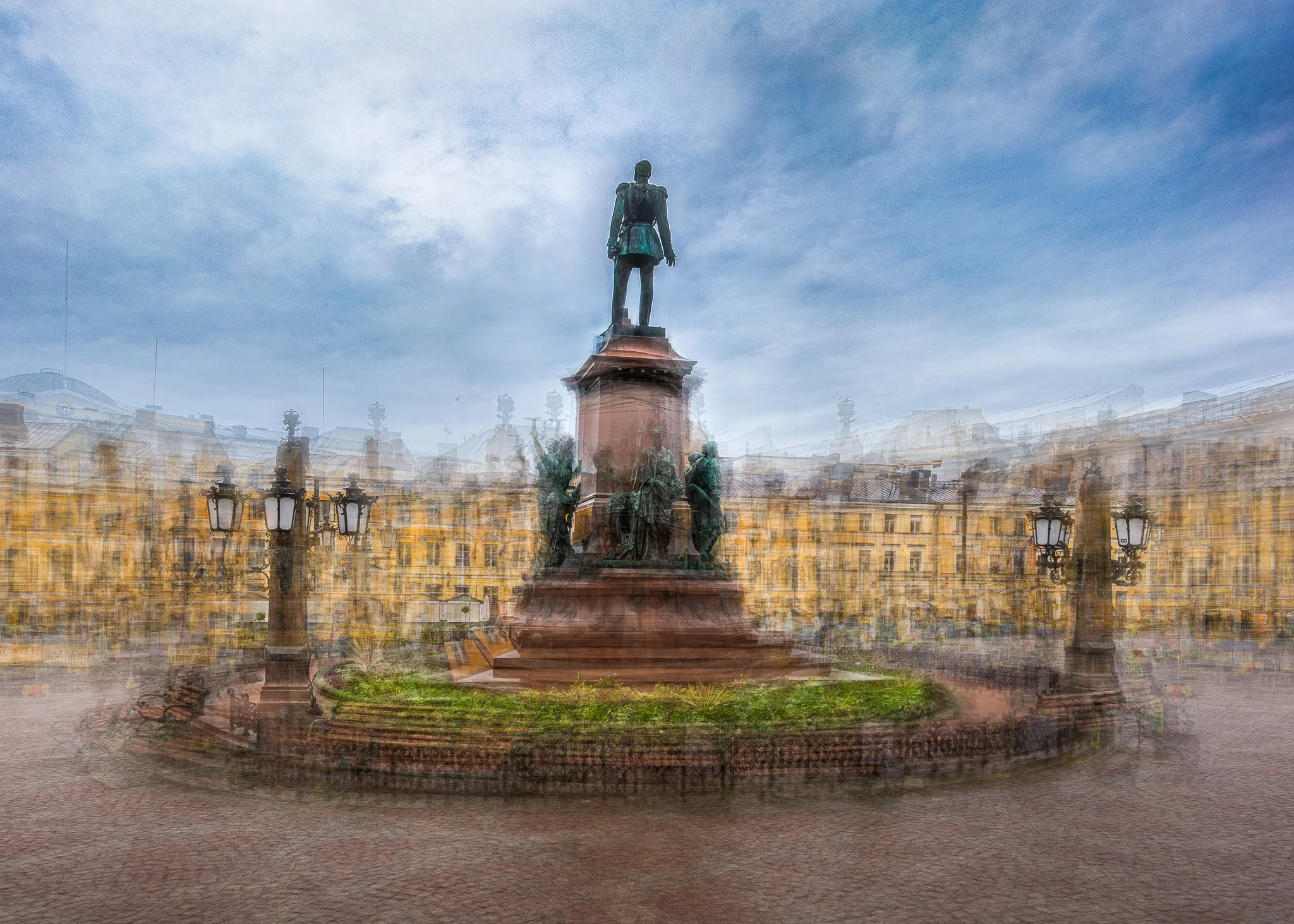
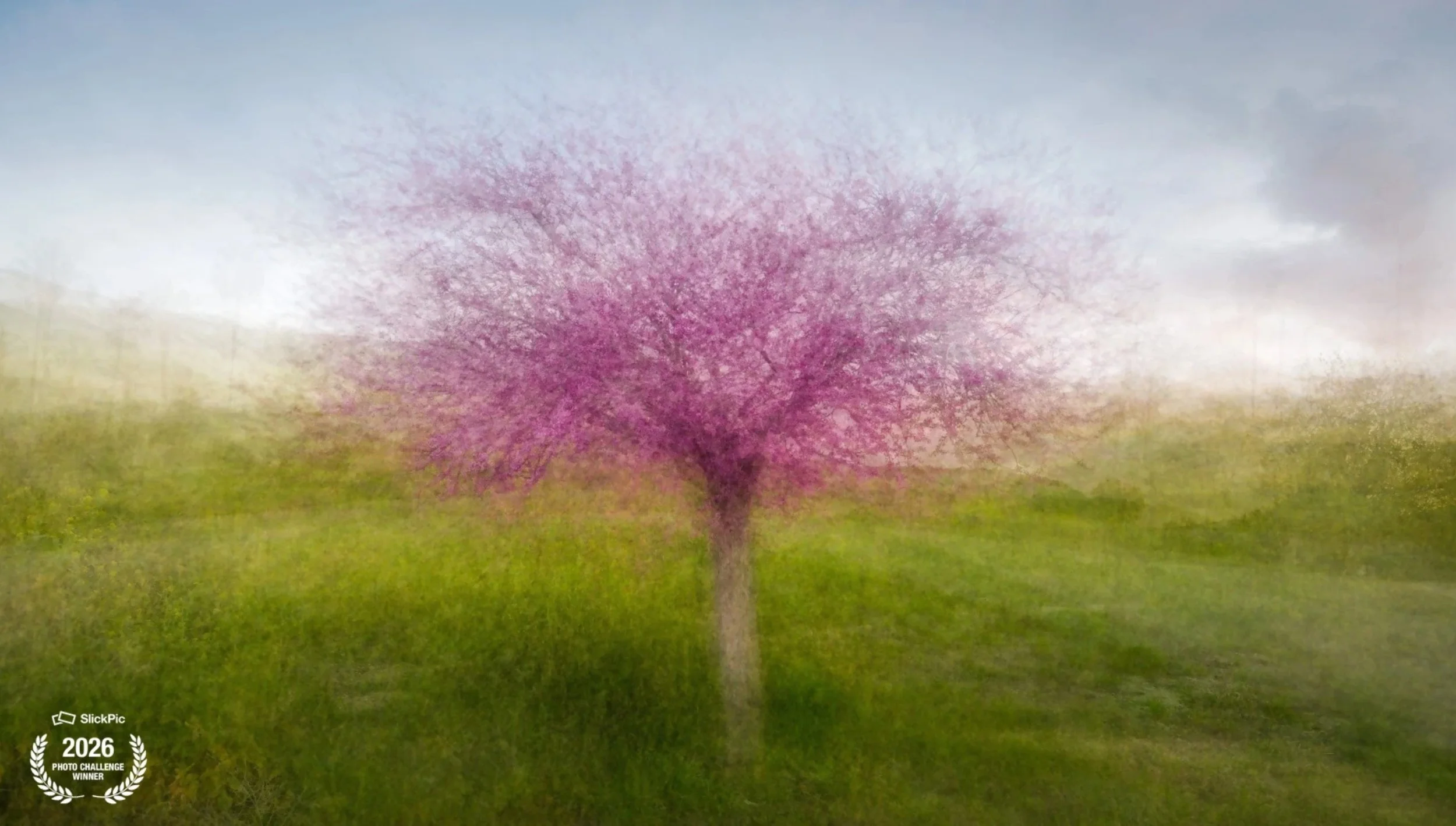
The landscapes and architectural elements in this collection are not presented as static forms. Instead, they vibrate, expand, and breathe. A solitary bush against a stone wall becomes a soft atmospheric presence, merging with its surroundings as if shaped by wind and memory. The sculptural monument rises vertically yet seems to flicker between physical form and luminous apparition, emphasizing symmetry while allowing the edges to dissolve into abstraction.
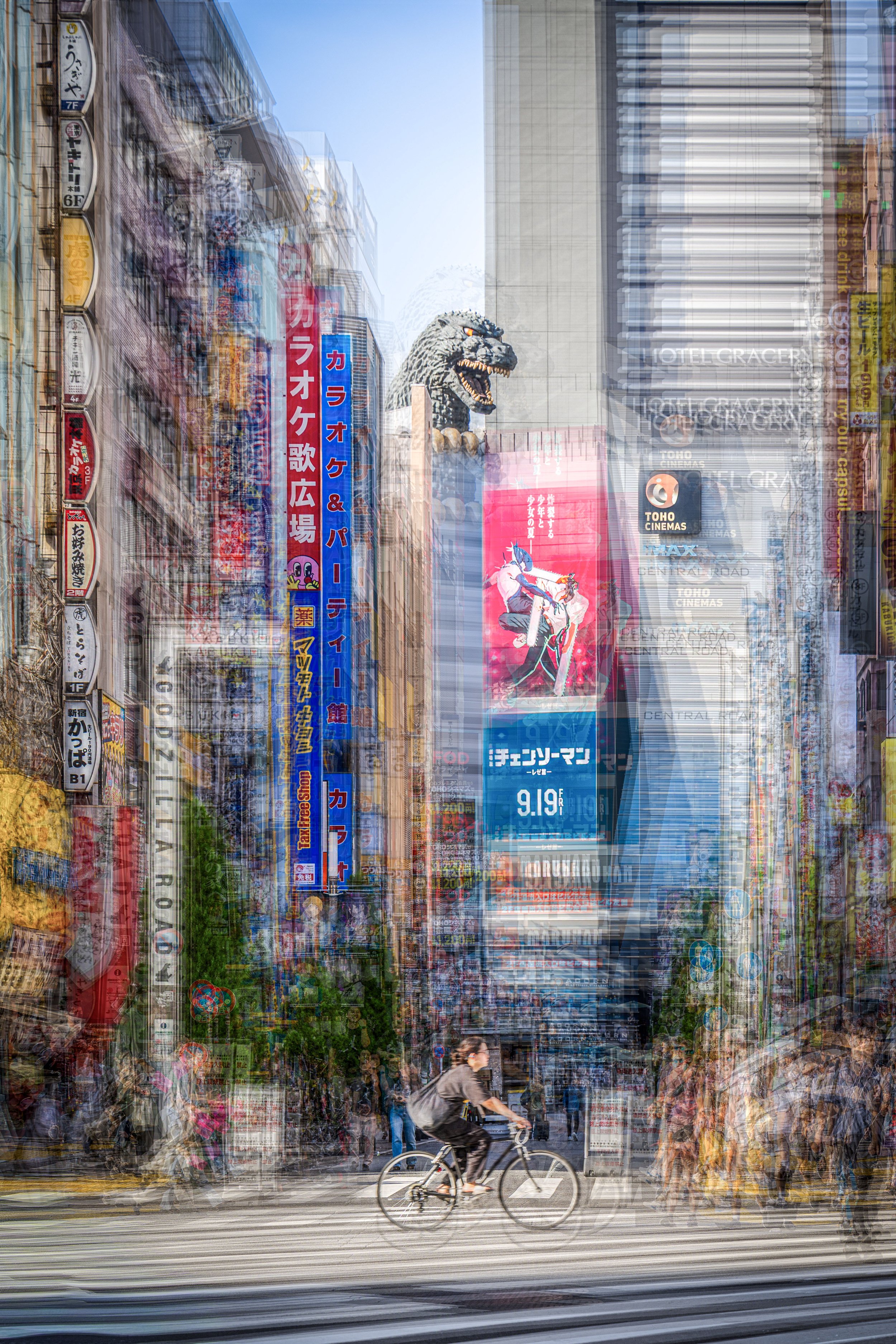
Urban scenes — particularly the layered Tokyo streets — become complex visual tapestries. Signage, pedestrians, architecture, and motion overlap into a dense rhythm of color and geometry. Rather than isolating a decisive moment, the image accumulates many moments into one visual experience. The city is not frozen; it pulses.
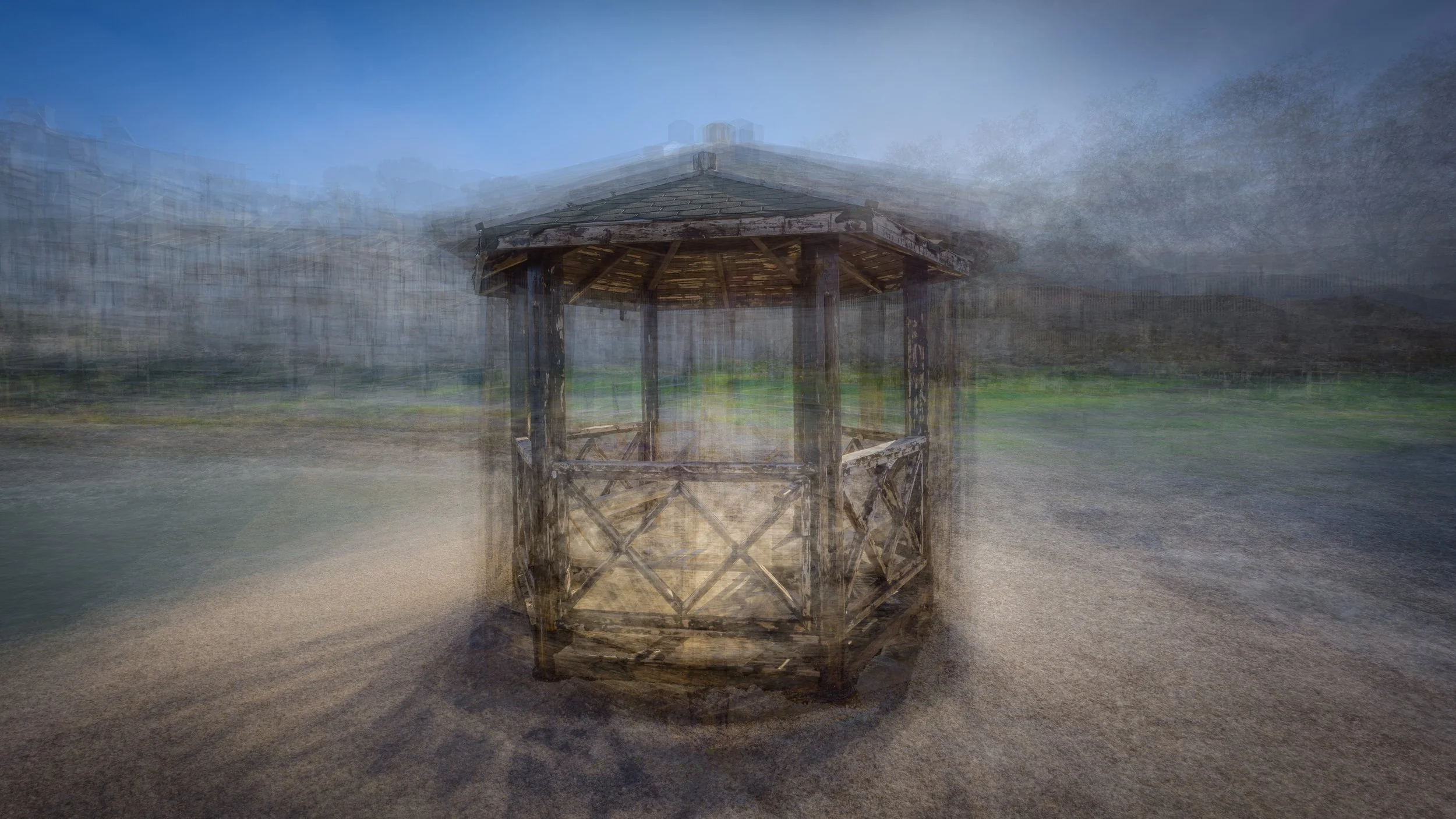
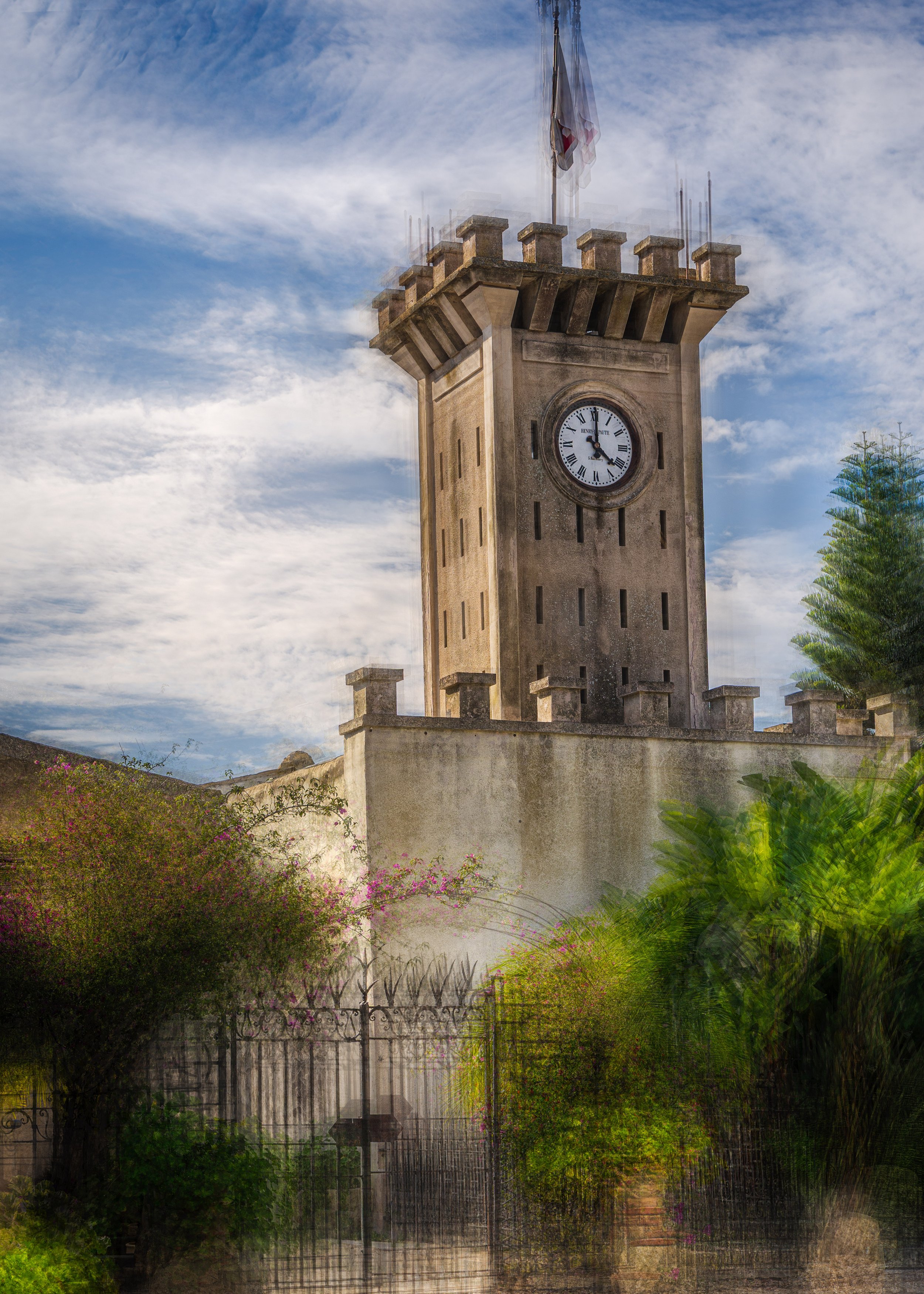
The clock tower and gazebo images demonstrate another dimension of this technique: solidity anchored at the center, surrounded by subtle movement. The repetition of form creates depth and softness simultaneously, transforming familiar structures into almost dreamlike presences.
What attracts me to Ventosa’s method is its emotional quality. It reflects how we truly remember places — not as single sharp frames, but as layered impressions. By embracing controlled repetition and intentional blending, these works move beyond documentation into interpretation.
This body of work is not about distortion. It is about perception. About seeing a subject from multiple perspectives and allowing those perspectives to coexist within one frame — structured yet fluid, architectural yet painterly, real yet atmospheric.